

Pastoral services
Find out more about Baptism (Christening), Weddings, and Funerals below.
Baptism
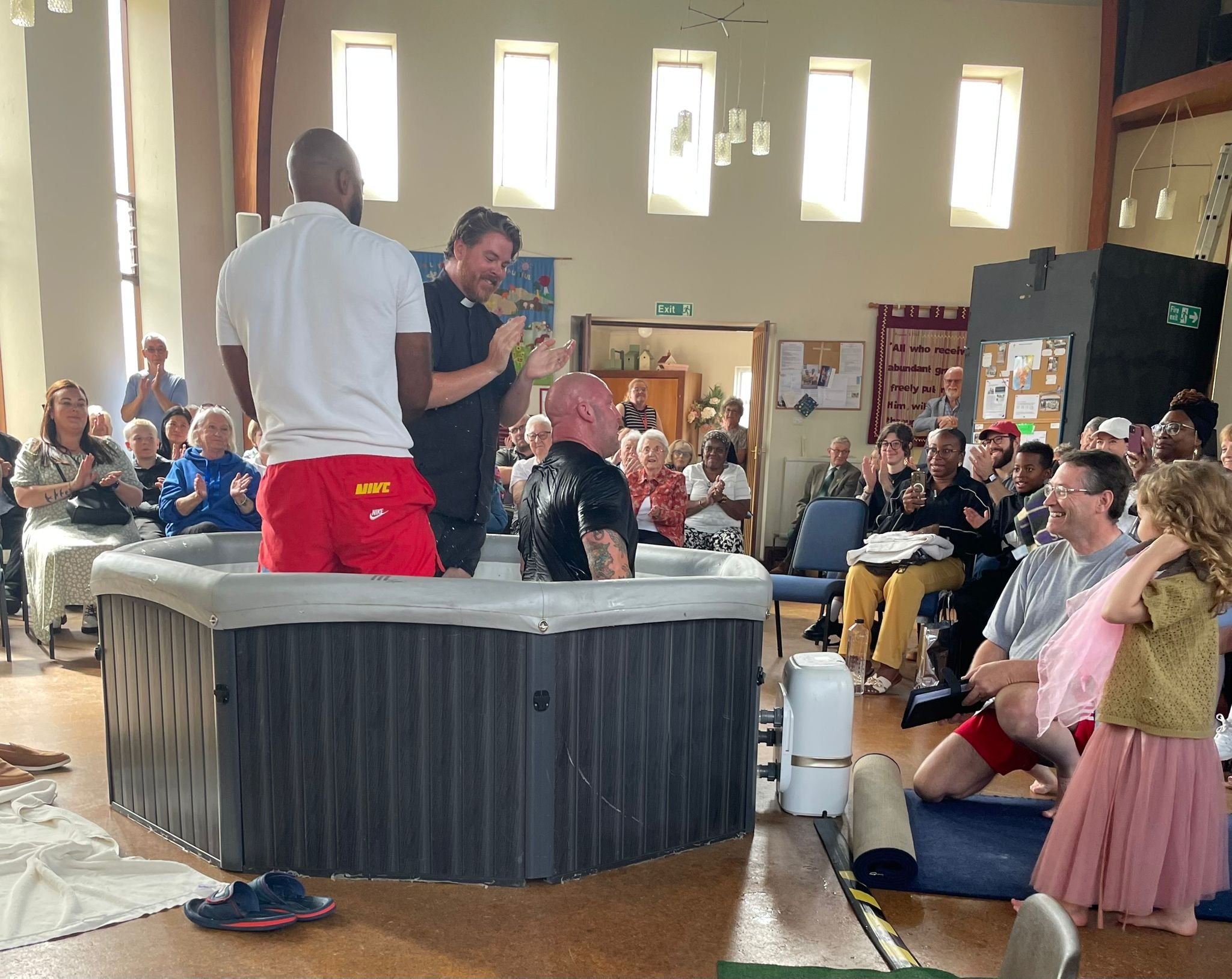
Also known as Christening, Baptism is the Church’s rite of initiation. It is one of two “sacraments” Jesus commanded his disciples perform. A sacrament is an “outward sign” of an “inward grace”, in the case of baptism, the outward sign is water and the inward grace received by immersion in water (or in the case of infant baptism, sprinkling with water) is a new life in Christ.
As the theologian Will Willimon puts it,
“Baptism means what water means: refreshment, fun, birth, life, death, all in the name of the Father, Son, and Holy Spirit. Baptism is something done to you rather than by you, just like your salvation … Nobody is born Christian. Water + the story of Jesus + God rewriting your story + your willingness to be written into the story of Jesus = Christian. … Though the rite of baptism takes only a few minutes to perform, it takes your whole life to finish what was begun in you when the church doused you “in the name of the Father, the Son, and the Holy Spirit” and called you Christian.”
Baptism is usually preceded by a period of preparation known in the church as “catechesis” (training/instruction). For Christian parents having their child/children baptised, and for adults seeking baptism, this preparation usually takes place over a couple of months and involves meeting with the minister several times before the baptism. Together with the minister, you’ll explore the Christian faith, what Christians they believe, what they do, and how they live.
There is no such thing as a “private baptism” - Baptism is a public event, so it usually takes place during Sunday morning worship when the whole church gathers to pray for those being baptised. That said, if - for whatever reason - that might prove tricky, then its possible that arrangements for a smaller gathering may be made in consultation with the minister.
WEDDINGS
Love is patient; love is kind; love is not envious or boastful or arrogant or rude. It does not insist on its own way; it is not irritable or resentful; it does not rejoice in wrongdoing, but rejoices in the truth. It bears all things, believes all things, hopes all things, endures all things.
1 Corinthians 13.4-7
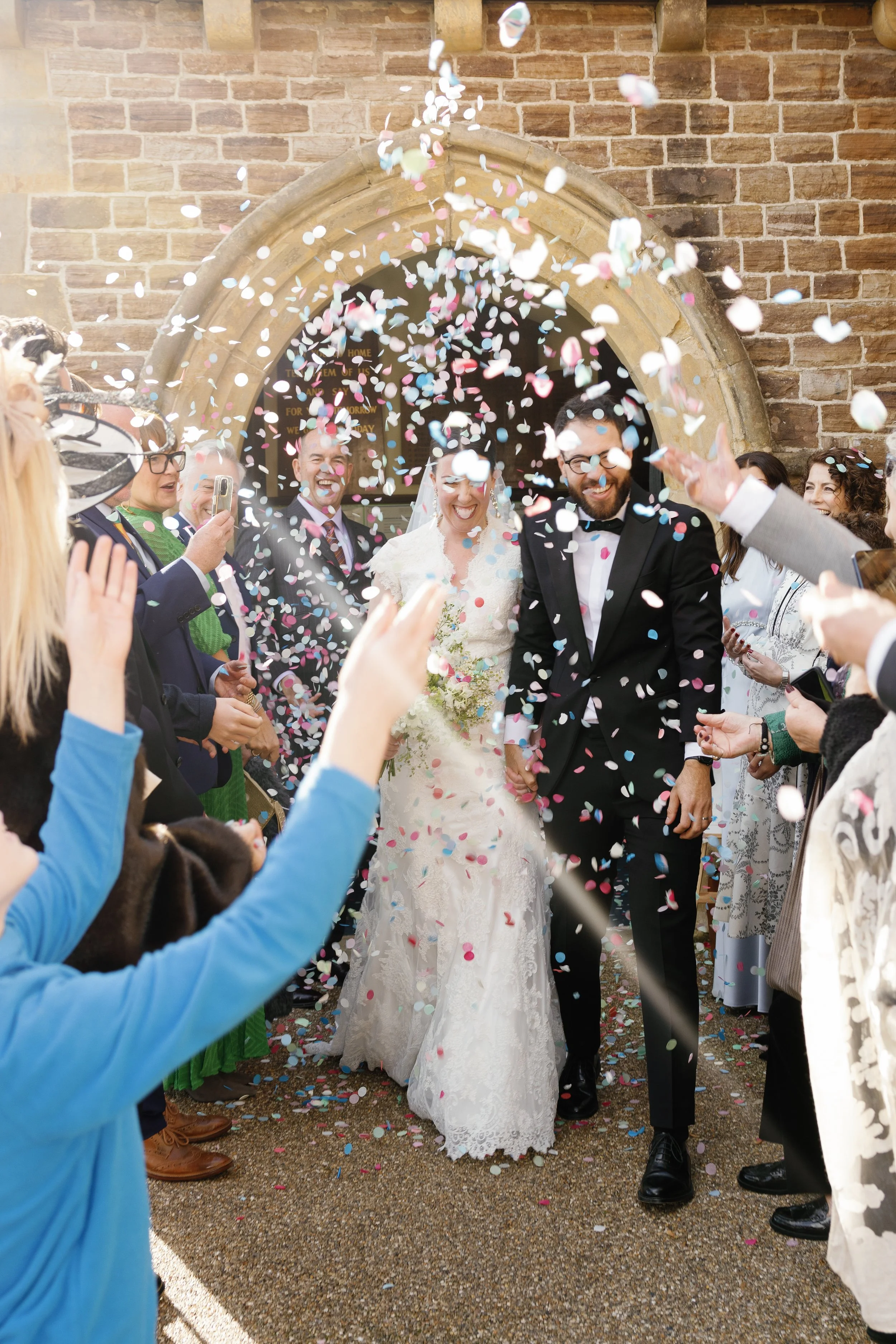
We are blessed to have two churches in our parish, both of which are licensed for weddings. A wedding is one of life’s great moments, a time of solemn commitment as well as good wishes, feasting and joy. John, the Gospeller, tells us how Jesus shared in such an occasion at Cana, and gave there a sign of new beginnings as He turned water into wine.
Marriage is intended by God to be a creative relationship, as his blessing enables a couple to love and support each other in good times and in bad, and to share in the care and upbringing of children. For Christians, marriage is also an invitation to share life together in the spirit of Jesus Christ. It is based upon a solemn, public and life-long covenant between partners, declared and celebrated in the presence of God and before witnesses.
On their wedding day the couple face each other, make their promises and receive God’s blessing. Prior to the wedding, couples are encouraged to take part in some form of preparation for marriage, such as taking part in a marriage preparation course (click here to find out more).
Banns of Marriage
The Banns of Marriage are a legal requirement for anyone wishing to get married in a Church of England church in the which couple declares their intent to marry by having their Banns “published” in their local parish church on three consecutive Sundays in a period of three months prior to their wedding. It is a slightly archaic system, but it does mean that whole communities will be holding you in prayer prior to your wedding day, so it has a special and spiritual as well as legal function.
If one or both of the couple do not live in the parish they wish to be married in, they will need to contact the minister of their local Church of England parish to arrange to have the banns read. The minister of the parish where the banns are being read may want to meet with the couple first as they will need to establish their identity and eligibility to be married in the Church of England (this means supplying a proof of ID and nationality such as a passport or driver’s licence).
Couples who live within this parish of St John’s Hollington with St Peter & St Paul (and have done for at least 6-months) are automatically entitled to be married in one of our churches. A “qualifying connection” is required for couples wishing to be married in one of our churches who do notlive in the parish, these include:
having been baptised or prepared for confirmation in the parish
have lived, or have a parent who lived, in the parish for a period of 6 months or more at any time in your/their life
have regularly attended (at least once a month) public worship in the parish for a period of 6 months
have a parent or grandparent who was previously married in the parish
If you do live in this parish and you need to have your banns read, download a banns application form and email the completed form to hello@stjohnswithpandp.org, otherwise click here to find out where your local parish church is. Once the banns have been published, providing there have been no objections, you will be given a Banns certificate which must then be passed on to the minister presiding over your marriage service prior to the day of the wedding.
Fees
Each year the Church of England sets out the fees for marriage services prescribed by the 2024 Parochial Fees Order (a statutory instrument). The fees payable in this parish are split between the Chichester Diocesan Board of Finance (DBF) and the Parochial Church Council (PCC). The total fees are made out to the PCC who then distributes the monies accordingly. The fees for 2026 are as follows:
Publication of Banns of Marriage - £39*
Certificate of Banns issued after publication - £20*
*Couples will need to have their banns published and acquire a banns certificate in every church that applies to them. So, for example, if you and your fiancé each live in separate parishes (other than this parish) prior to your wedding, you will need to pay the fee for the publication of banns and the banns certificate to each church where your banns are required to be read. The minister of those parishes will discuss payment arrangements with you.
Marriage Service in church - £566**
**This fee does not include charges for the fees associated with banns, or heating, the services of a verger, music (e.g. choir/organist) or flowers. You will need to discuss these when you meet with the presiding minister. The statutory fee is payable prior to the wedding day. A payment plan can be arranged if necessary. If money is an issue, please don’t hesitate to speak to the minister.
Funerals
There’s a lot to think about and arrange when it comes to planning a funeral, and it can be a bit overwhelming especially when dealing with one’s own grief at the loss of a loved one. The Church of England has put together this useful page on their website to help alleviate some of the administrative burden funerals can put on us.
Click here for guidance on how to arrange a funeral.
First steps in arranging a funeral
After the initial news of the death of someone you knew and loved, there are some important things that need to be done. These are two of the more immediate things:
Register the death. There is some helpful guidance on this on the government’s births, marriages, and deaths advice page.
Meet a Funeral Director. If you’re not yet sure which one to use, you can find one near to you on the National Association of Funeral Directors’ website, or on the National Society of Allied and Independent Funeral Directors (SAIF) website.
The Funeral Director will talk to you about what kind of funeral you would like. One of the first questions they’ll ask is whether you’d like a burial or a cremation. You might like to discuss this with other family members if you’re not sure what the preference was of the person who died.
You’ll then be asked where you would like the service to be held. Both the churches in our parish are licensed for funerals. You may also prefer a service just at the crematorium, or a simple service at a graveside/cemetery. You don’t have to be religious or a churchgoer to have a Church of England funeral.
NB: We do not have a graveyard in the parish, but we do have a garden of remembrance at St John’s where ashes can be buried anonymously, i.e. no headstones or markers (relevant friends and family members can contact us for the coordinates of their loved ones ashes in the grounds. They are welcome to leave flowers with no plastic packaging - these will be discreetly cleared away when past their best by our grounds team). You can discuss all this with the minister.
Help your loved ones by planning ahead
Funerals can be on our minds for all sorts of reasons. We encourage everyone to think about sorting out their own funeral service plan as it can really help your family and loved ones when the time comes. If you would like your funeral to be held in one of our churches, and/or you’d like the minister of the parish to preside over your funeral then do please send us your funeral plan, we’ll keep a digital copy stored securely on our database that can easily be accessed when the time comes. The Church of England has some useful guidance on how to start writing your funeral plan.
Click here to find out more about writing your funeral plan.